Mindfulness for Anxiety and Depression: Guide
Explains how mindfulness and grounding exercises can ease anxiety and depression, and when to add counseling or medication support.

Resource Center
Explore ideas, understand what you are feeling, or try something practical. You do not need to be ready for therapy.
Make sense of worry, find ways to cope, and create room to recover from stress.
Explains how mindfulness and grounding exercises can ease anxiety and depression, and when to add counseling or medication support.
Explains caregiver burnout signs and offers short mindfulness practices like breathing and grounding, plus signs it may be time to seek professional support.
Introduces a free quiz tool that asks about stressors and preferences to suggest personalized coping strategies for managing stress.
Explore boundaries, connection, conflict, and everyday communication with people you care about.
Explains what typically happens during a first couples counseling session, how goals are set over time, and how often sessions usually occur, with local Cape May County office info.
Introduces a guided question tool for couples to discuss trust, communication, intimacy, and conflict, meant to support but not replace couples therapy.
Five practical strategies for couples to calm arguments, including time-outs, active listening, "I" statements, staying present, and taking responsibility.
Support children and teens, understand different needs, and navigate changes in family life.
Explains signs a family might benefit from therapy, how sessions are typically structured, and what to expect from family counseling at a Cape May County practice.
Explains how family counseling helps parents and kids break repeated conflict cycles through better communication, clearer rules, practice, and follow-up care.
Offers realistic self-care ideas for burned-out summer parents, local Cape May area resources, and an overview of BestLife's therapy services for families.
Understand changes in mood and explore support for low energy, depression, and difficult seasons.
Explains how reduced daylight affects sleep, energy, and mood, covering seasonal affective disorder, light therapy, and lifestyle strategies to help manage symptoms.
Tips for coping with seasonal affective disorder as days shorten, including outdoor activities, local nature spots, and exercise ideas, plus when to consider professional support.
Explains signs of depression in older adults, how they differ from normal aging or grief, and when to seek professional help.
Learn about responses to loss and difficult experiences, at a pace that feels right for you.
Explains what EMDR therapy is, who tends to seek it, what a first session involves, and how to access it in-person or via telehealth in Cape May County.
Explains how family therapy can help veterans with PTSD by improving communication, easing symptoms, and using VA benefits for affordable care.
Explains what PTSD is, its causes and everyday signs, how to recognize it in loved ones, and describes BestLife's trauma-informed therapy options.
Find practical ideas for rest, mindfulness, self-care, and everyday emotional wellbeing.
Explains how poor sleep in adults 65+ can affect mood, memory, and safety, common causes, and signs that suggest it's time to seek professional help.
A tool that helps you pick short mindfulness exercises matched to your available time, mood, and setting, for stress, focus, or sleep.
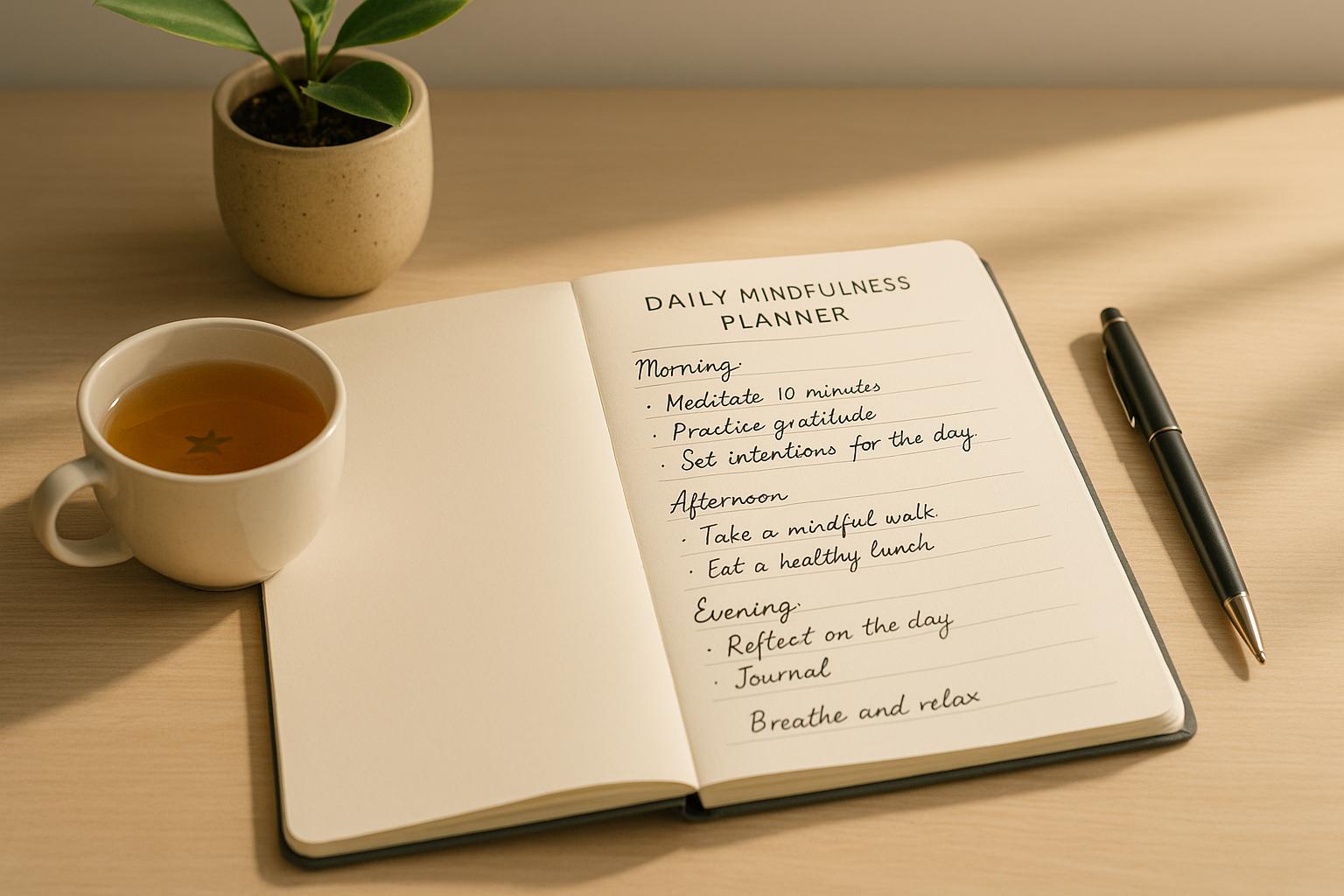
Introduces a planner tool for building a personalized daily mindfulness routine using small habits like meditation, journaling, and mindful walking.
Get familiar with therapy approaches, choosing a therapist, and what getting started can look like.
Compares therapy alone, medication alone, and combined care, covering fit, provider coordination, age considerations, and tracking progress and safety.
Debunks common mental health myths with facts on prevalence, recovery, and treatment, and compares therapy, medication, in-home, and outpatient care options.
Describes seven signs that online therapy could be a good fit, covering access, anxiety, isolation, scheduling, mobility, privacy, and specialized care needs.
Whenever you are ready
Get to know our therapists or learn what starting care can look like.