Mindfulness Exercises
A tool that helps you pick short mindfulness exercises matched to your available time, mood, and setting, for stress, focus, or sleep.

Explore a topic
Make sense of worry, find ways to cope, and create room to recover from stress.
A tool that helps you pick short mindfulness exercises matched to your available time, mood, and setting, for stress, focus, or sleep.
Explains how mindfulness and grounding exercises can ease anxiety and depression, and when to add counseling or medication support.
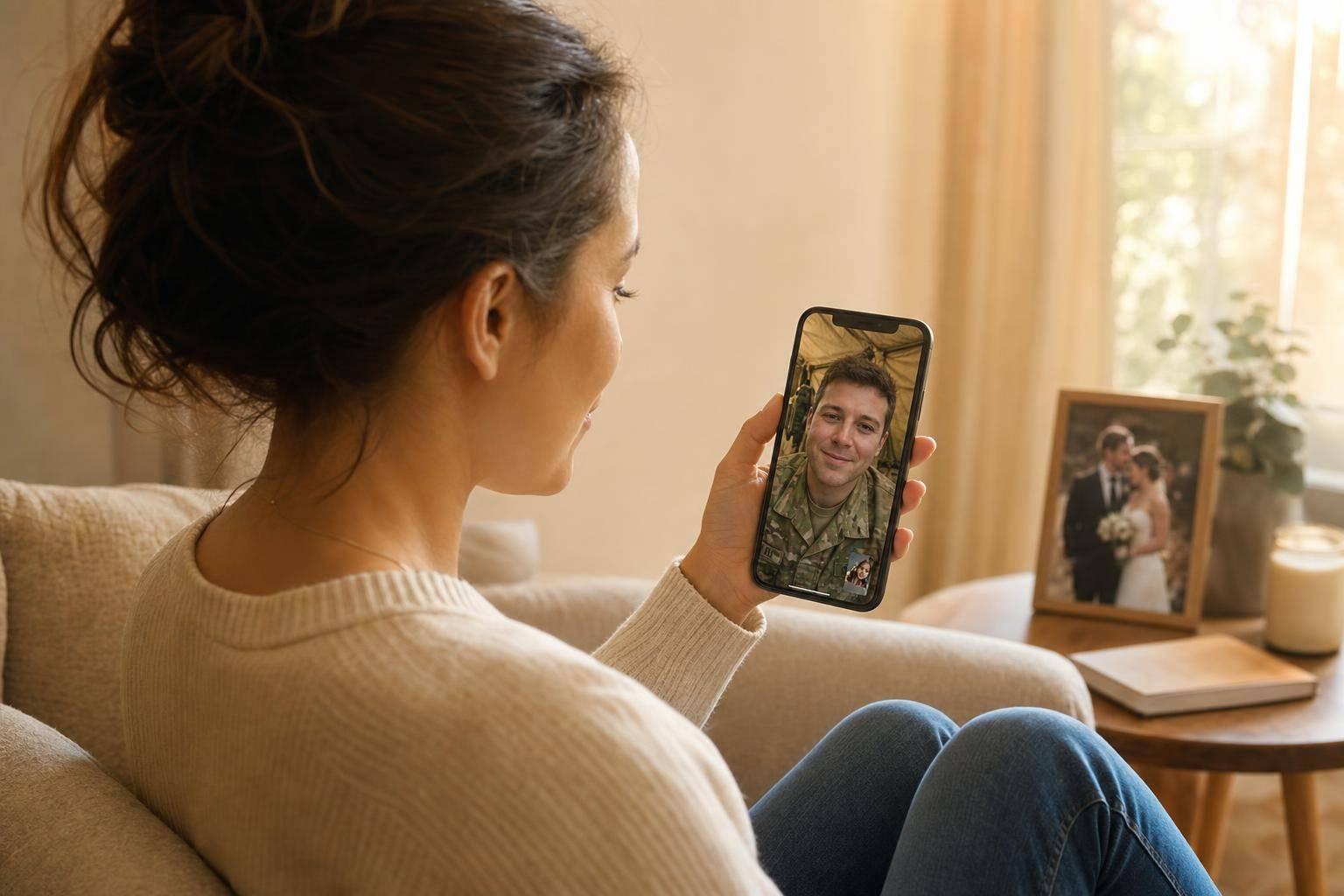
Explains how attachment style, communication, deployment length, and combat trauma affect military marriages, plus reunion challenges and counseling options.
Explains caregiver burnout signs and offers short mindfulness practices like breathing and grounding, plus signs it may be time to seek professional support.
Explains research on workplace mindfulness practices that can reduce stress, anxiety, depression, and burnout while improving focus and job satisfaction, plus tips for adding mindfulness at work.
Explains how anxiety and depression in teens can show up as physical symptoms like headaches or fatigue, and how parents can tell the difference and find support.
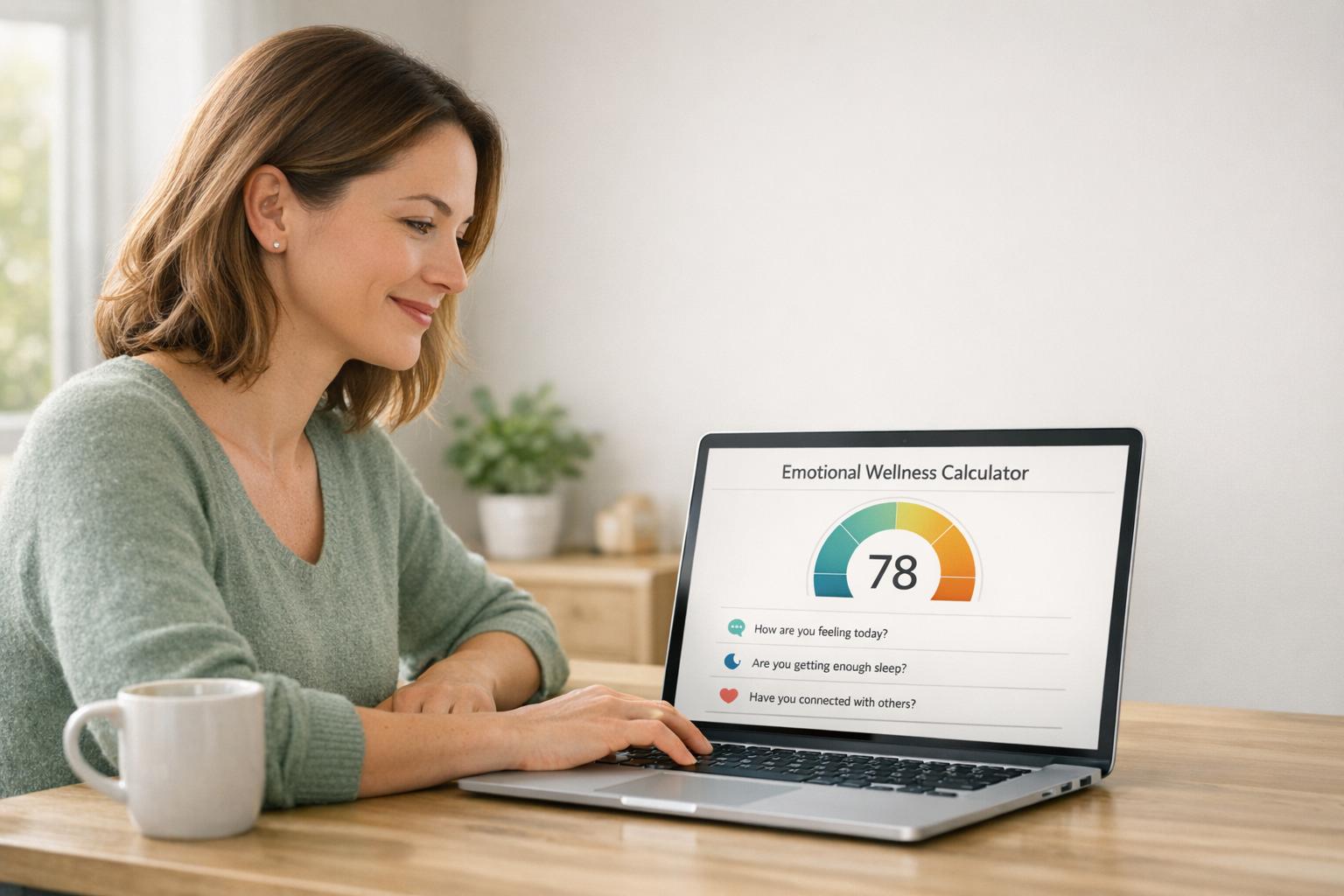
Introduces a self-assessment tool for checking emotional wellbeing, covering stress and mood, with tips for small steps and when to seek support.
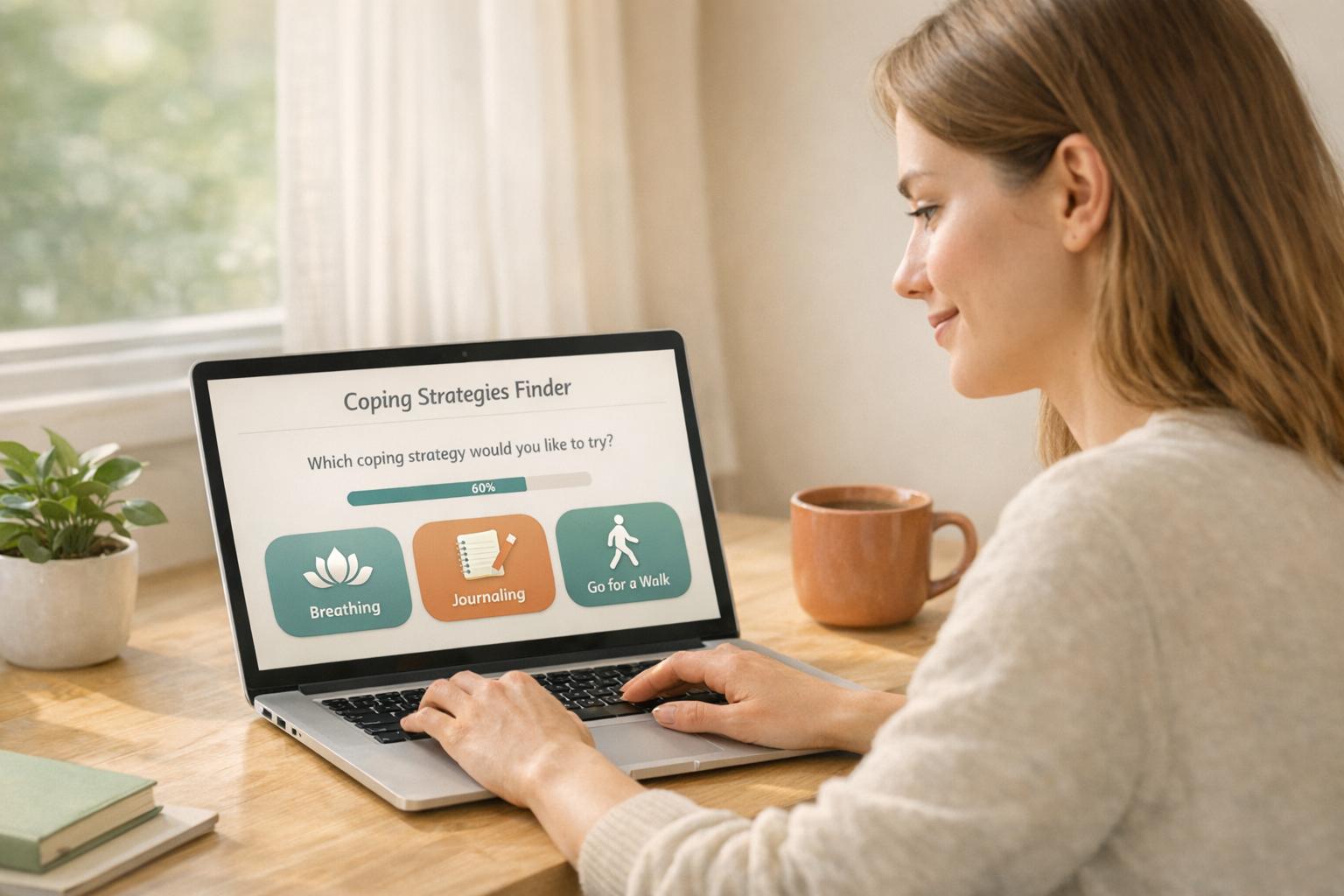
Introduces a free quiz tool that asks about stressors and preferences to suggest personalized coping strategies for managing stress.
Reviews research on mindfulness programs like MBCT and MBSR for anxiety, comparing them to CBT and medication, and discussing practice duration and clinical use.
Outlines five steps for setting and maintaining conversational boundaries, including identifying limits, communicating assertively, and when to seek therapy support.
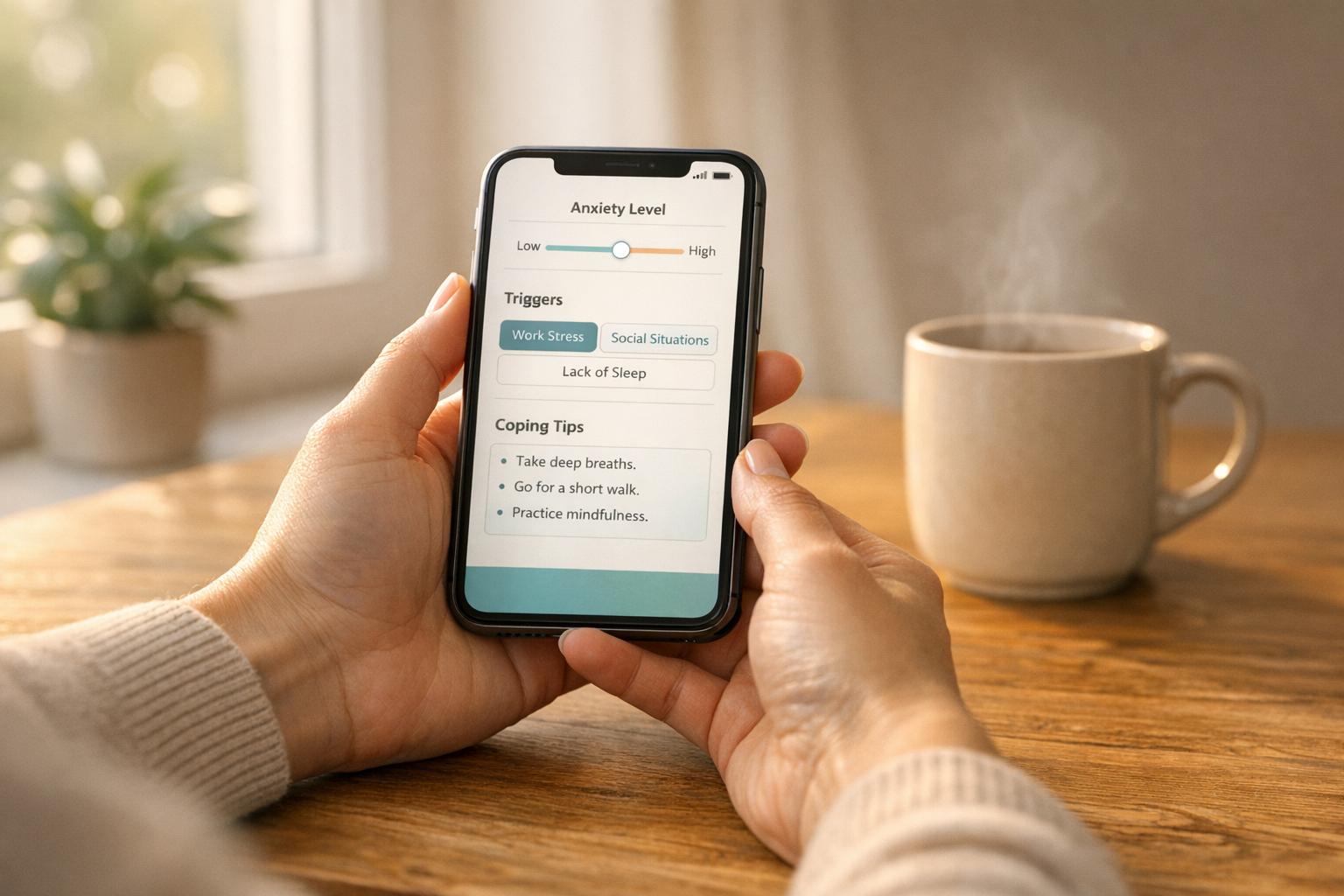
Describes a free online tool that generates personalized anxiety coping strategies based on your triggers and stress level, and answers common questions about how it works.
Debunks common mental health myths with facts on prevalence, recovery, and treatment, and compares therapy, medication, in-home, and outpatient care options.
Whenever you are ready
Get to know our therapists or learn what starting care can look like.